


Items filtered by date: November 2025
Chiropractic Care for Relief Carpal Tunnel Syndrome

Carpal tunnel syndrome occurs when the median nerve, which runs through the wrist, becomes compressed. This can lead to pain, tingling, and weakness in the hand and fingers. This condition often develops from repetitive motion or poor wrist alignment that places strain on surrounding joints and tissues. Chiropractic care focuses on correcting joint and nerve dysfunction that may contribute to this nerve compression. Through gentle adjustments to the wrist, elbow, and spine, a chiropractor can help improve alignment, reduce pressure on the median nerve, and enhance nerve communication. By addressing the underlying structural issues, chiropractic care may improve flexibility, decrease inflammation, and restore more natural wrist movement. Many individuals find that improved alignment allows the hand and wrist to function with less restriction and discomfort. If you are experiencing symptoms of carpal tunnel syndrome and are in need of relief, it is suggested that you schedule an appointment with a chiropractor to discuss how chiropractic care can benefit you.
Carpal Tunnel Syndrome
Carpal tunnel syndrome, or CTS, is a condition caused by compression of the median nerve, which runs through the carpal tunnel in the wrist. This tunnel is a narrow passageway surrounded by bones and ligaments, and when it becomes compressed or inflamed, it can put pressure on the nerve. Symptoms of CTS include tingling, numbness, weakness, and pain in the hand and fingers, often making simple tasks difficult and uncomfortable.
Chiropractic care offers a non-invasive approach to managing CTS by addressing alignment and reducing nerve pressure. Chiropractors start by evaluating the wrist, elbow, and even the cervical spine or neck, as misalignments in these areas can contribute to nerve compression in the wrist. Through gentle adjustments, chiropractors can improve the alignment of the wrist and spine, helping to reduce the pressure on the median nerve.
In addition to adjustments, chiropractors may use soft tissue therapy, such as stretching and myofascial release, to reduce inflammation surrounding the wrist and enhance mobility.
Why Consider Chiropractic for CTS?
Chiropractic care can provide lasting relief by targeting the root causes of CTS, reducing pain, and promoting long-term hand and wrist health.
Can Chiropractic Care Address Repetitive Strain as a Cause of CTS?
Chiropractic care can help manage repetitive strain by improving joint alignment and recommending ergonomic adjustments.
If you have any questions, please feel free to contact our office located in Whitestone, NY .
Understanding Neuropathy and How a Chiropractor Can Help
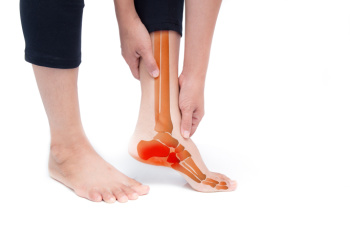
Neuropathy often involves nerve irritation, compression, or impaired signaling in peripheral nerves, sometimes arising from structural imbalances or restricted joint motion in the spine. When nerves supplying the arms or legs are stressed by misalignment or reduced mobility in spinal segments, abnormal stress can extend into distal neural pathways, contributing to sensations of tingling, numbness, or sensitivity. A chiropractor can help by conducting a precise evaluation of spinal and extremity mechanics to identify interference with nerve pathways. Through gentle spinal adjustment and mobilization, a chiropractor seeks to restore joint motion, relieve nerve irritation, and improve neural communication. As alignment and mobility improve, the pressures that may compromise nerve function can lessen, allowing the peripheral nervous system to operate more freely. Over time, patients often report decreases in abnormal sensations and greater comfort throughout affected regions. If you are experiencing discomfort and in need of relief, it is suggested that you schedule an appointment with a chiropractor to discuss treatment options.
Neuropathy
Neuropathy is a condition affecting the peripheral nerves, often resulting in sensations of numbness, tingling, burning, or sharp pain, typically in the hands or feet. This condition can stem from diabetes, infections, physical trauma, or other underlying health issues, disrupting the body’s ability to send and receive signals between the nervous system and various parts of the body. Neuropathy can interfere with daily life, making even simple tasks uncomfortable or painful.
Chiropractic care
Chiropractic care offers a holistic approach to managing neuropathy symptoms by focusing on improving nerve function and reducing pressure on affected nerves. Through gentle adjustments to the spine or other impacted areas, chiropractors aim to relieve nerve compression, potentially alleviating symptoms and supporting healthier nerve pathways.
Some chiropractors may also suggest dietary adjustments and other lifestyle changes to support nerve health and reduce symptoms of neuropathy, encouraging circulation and reducing inflammation around the nerves.
Chiropractic treatment
Chiropractic treatment for neuropathy provides a non-invasive, natural way to address discomfort by focusing on underlying imbalances that contribute to nerve pain. This approach promotes overall nervous system health and may offer relief from neuropathy symptoms, improving patients’ comfort and quality of life.
If you have any questions please feel free to contact our office located in Whitestone, NY
Is there a specific duration or number of sessions at which neuropathy improves plateau?
Each case is different, but significant gains often occur within the first few months, with maintenance care recommended for lasting relief.
How can I tell if my progress with chiropractic care is on track for my neuropathy symptoms?
Chiropractors usually track improvements in symptoms like pain, numbness, and mobility, adjusting treatment if necessary.
How does a chiropractor assess which type of neuropathy a patient has and determine if chiropractic care is suitable?
Chiropractors evaluate the type and cause of neuropathy through symptom assessment and may collaborate with other healthcare providers to ensure that chiropractic adjustments are safe and beneficial for the patient.
If you have any questions please feel free to contact our office located in Whitestone, NY .
What Is a Herniated Disc?
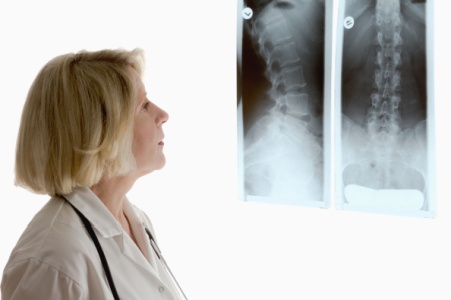
A bulging or herniated disc develops when the soft inner material of a spinal disc pushes outward, creating pressure on surrounding nerves. This can lead to pain, numbness, or weakness that may extend through the back, neck, arms, or legs, depending on where the disc is affected. A chiropractor can provide non-invasive care designed to ease nerve irritation and improve overall spinal function. Gentle adjustments may help restore movement in the spine, reduce inflammation, and support the body’s natural healing process. By improving alignment, chiropractic care can also reduce tension in the muscles and ligaments that are often strained by disc issues. This approach not only addresses discomfort, but also encourages better mobility and stability for daily activities. If you are suffering from a herniated disc, it is suggested that you schedule an appointment with a chiropractor for an exam and natural treatment options.
Bulging and herniated discs are common spinal conditions that can lead to persistent pain, discomfort, and limited mobility. A disc bulge occurs when the outer layer of the spinal disc begins to protrude, while a herniated disc involves a rupture that allows the inner gel-like core to seep out. Both conditions often compress nearby nerves, resulting in pain, tingling, numbness, and muscle weakness that can affect the back, legs, and even arms.
From a chiropractic perspective, addressing disc bulges and herniations focuses on reducing pressure on the spinal nerves and restoring proper spinal alignment. Chiropractors employ gentle, targeted adjustments designed to alleviate nerve compression and improve spinal mechanics. By correcting misalignments, chiropractic care can help reduce inflammation, enhance blood flow, and promote natural healing processes. This holistic approach aims to relieve pain without invasive procedures or medication.
For many patients, complementary therapies like spinal decompression, therapeutic exercises, and lifestyle guidance support long-term relief and function. Chiropractic care offers a non-surgical, drug-free path to managing disc issues, focusing on enhancing overall spinal health and reducing the likelihood of recurring symptoms. Each treatment plan is tailored to the patient’s specific needs and goals, ensuring an effective, individualized approach.
1. Is chiropractic treatment safe for herniated discs?
Generally, chiropractic care is safe for herniated discs when performed by a licensed professional who assesses the condition carefully. Mild adjustments or specific techniques are often used to avoid further injury.
2. How long does it take to see improvement?
Improvement times vary, but many patients notice reduced pain and better mobility within a few weeks of consistent chiropractic care, depending on the disc’s severity and other factors.
If you have any questions please feel free to contact our office located in Whitestone, NY .
Healing With Shockwave Therapy

Extracorporeal shockwave therapy is a modern, non-invasive treatment that uses sound waves to stimulate healing in painful tissues. Often used for tendon pain and chronic conditions, ESWT offers a drug-free path to recovery.
Contact us today to learn more about ESWT.
Chiropractic Care Can Help Tennis Elbow

Lateral epicondylitis, commonly known as tennis elbow, is a painful condition caused by overuse or repetitive stress on the tendons in the outer elbow. This strain leads to inflammation and microtears in the extensor tendons, resulting in pain, stiffness, and reduced grip strength. It commonly affects athletes, manual laborers, and anyone performing repetitive wrist and arm movements. Active Release Technique, or ART, is a specialized therapy chiropractors use to address this condition. ART targets scar tissue and adhesions in the affected muscles and tendons, restoring mobility and reducing pain. During an ART session, the chiropractor applies precise pressure while guiding the patient through specific movements to release tension and promote healing. This technique improves blood flow, reduces inflammation, and restores tendon flexibility, making it a powerful, non-invasive option for managing and overcoming tennis elbow effectively. If you are experiencing elbow pain from playing tennis, it is suggested that you visit a chiropractor who can help you with relief options.
Elbow pain can make even simple tasks challenging, often resulting from repetitive movements, strain, or injuries. Conditions like tennis elbow, golfer’s elbow, and nerve entrapment are common culprits, leading to inflammation and discomfort in the tendons or surrounding tissues. Whether caused by sports, work activities, or an accident, persistent elbow pain can hinder mobility and strength.
Symptoms may range from sharp pain and stiffness to numbness or a weakened grip, interfering with daily life. While pain relief methods like rest can help, they may not address the underlying problem.
Chiropractic care focuses on identifying and treating the source of elbow pain. Through gentle adjustments, soft tissue therapies, and targeted exercises, chiropractors relieve tension, improve joint function, and reduce inflammation. This holistic approach helps not only to ease pain but also to prevent future issues, ensuring long-term comfort and mobility.
1. How does spinal alignment affect elbow pain?
Misalignments in the spine can compress nerves that travel to the arm, leading to referred pain or tension in the elbow. Correcting alignment helps relieve this pressure and improve function.
2. How can chiropractic care help prevent recurring elbow injuries?
Chiropractors identify movement patterns or misalignments that contribute to strain and provide strategies to improve mechanics. This reduces the likelihood of reinjury.
If you have any questions please feel free to contact our office located in Whitestone, NY .
