Elbow Pain and Baseball

Elbow pain in baseball players often comes from repeated throwing motions that place stress on the arm. Over time, this can affect the muscles, tendons, and joints that support the elbow. The force from pitching or throwing can also impact how the shoulder and spine move, adding more strain to the arm. Common symptoms include aching pain in the elbow, stiffness, swelling, weakness, and trouble gripping or throwing. The body may also feel sore after activity or during practice. A chiropractor can help by checking joint motion in the elbow, shoulder, and spine and providing gentle treatment to improve alignment and reduce stress on the area. Better movement can help the body handle activity with less strain. If you or your loved one is a baseball player experiencing elbow pain, it is suggested that you schedule an appointment with a chiropractor to discuss appropriate relief options.

Elbow pain can make even simple tasks challenging, often resulting from repetitive movements, strain, or injuries. Conditions like tennis elbow, golfer’s elbow, and nerve entrapment are common culprits, leading to inflammation and discomfort in the tendons or surrounding tissues. Whether caused by sports, work activities, or an accident, persistent elbow pain can hinder mobility and strength.

Symptoms may range from sharp pain and stiffness to numbness or a weakened grip, interfering with daily life. While pain relief methods like rest can help, they may not address the underlying problem.

Chiropractic care focuses on identifying and treating the source of elbow pain. Through gentle adjustments, soft tissue therapies, and targeted exercises, chiropractors relieve tension, improve joint function, and reduce inflammation. This holistic approach helps not only to ease pain but also to prevent future issues, ensuring long-term comfort and mobility.

1. How does spinal alignment affect elbow pain?

Misalignments in the spine can compress nerves that travel to the arm, leading to referred pain or tension in the elbow. Correcting alignment helps relieve this pressure and improve function.

2. How can chiropractic care help prevent recurring elbow injuries?

Chiropractors identify movement patterns or misalignments that contribute to strain and provide strategies to improve mechanics. This reduces the likelihood of reinjury.

If you have any questions please feel free to contact our offices located in Whitestone and New York, NY .



Read more about Elbow Pain

Carpal Tunnel Syndrome Explained

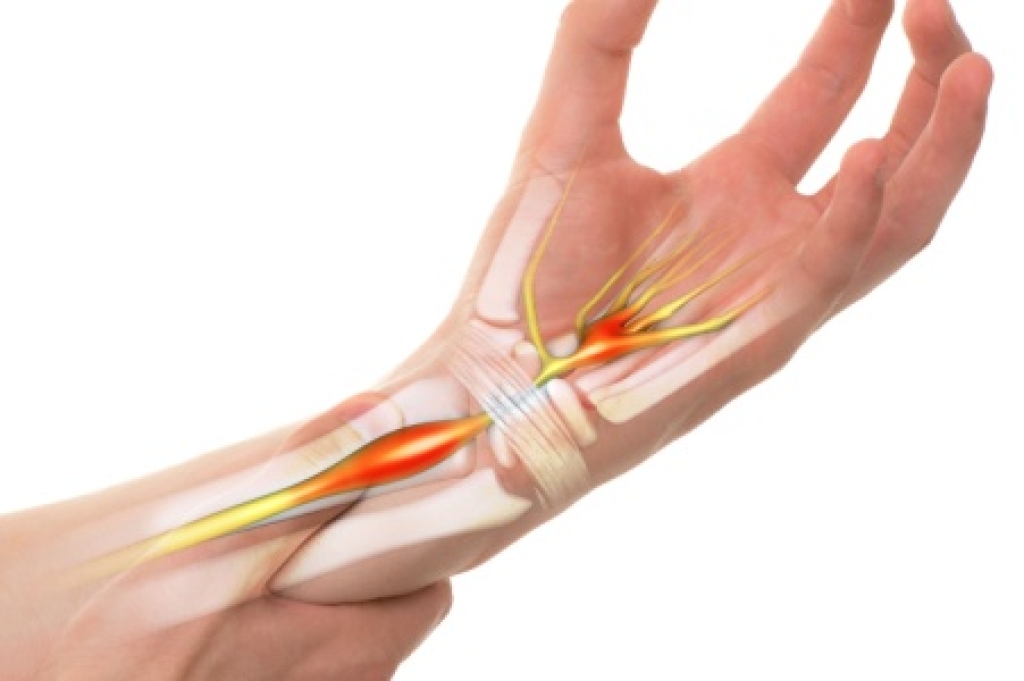
Carpal tunnel syndrome affects the wrist and hand when the median nerve becomes compressed as it passes through a narrow space called the carpal tunnel. It develops gradually and is linked to repetitive hand movements, prolonged typing, or wrist strain. Some people are more at risk due to anatomy, injury, or underlying health conditions. Symptoms include numbness, tingling, or burning in the thumb and first three fingers. Weakness in grip strength and dropping objects may also occur as the condition progresses. Symptoms often appear at night or after extended use of the hands. A chiropractor can evaluate nerve function, assess wrist and arm alignment, and provide treatments to reduce pressure on the median nerve. It is suggested that if you have symptoms of carpal tunnel syndrome, please visit a chiropractor to discuss appropriate relief solutions.

Carpal Tunnel Syndrome

Carpal tunnel syndrome, or CTS, is a condition caused by compression of the median nerve, which runs through the carpal tunnel in the wrist. This tunnel is a narrow passageway surrounded by bones and ligaments, and when it becomes compressed or inflamed, it can put pressure on the nerve. Symptoms of CTS include tingling, numbness, weakness, and pain in the hand and fingers, often making simple tasks difficult and uncomfortable.

Chiropractic care offers a non-invasive approach to managing CTS by addressing alignment and reducing nerve pressure. Chiropractors start by evaluating the wrist, elbow, and even the cervical spine or neck, as misalignments in these areas can contribute to nerve compression in the wrist. Through gentle adjustments, chiropractors can improve the alignment of the wrist and spine, helping to reduce the pressure on the median nerve.

In addition to adjustments, chiropractors may use soft tissue therapy, such as stretching and myofascial release, to reduce inflammation surrounding the wrist and enhance mobility.

Why Consider Chiropractic for CTS?

Chiropractic care can provide lasting relief by targeting the root causes of CTS, reducing pain, and promoting long-term hand and wrist health.

Can Chiropractic Care Address Repetitive Strain as a Cause of CTS?

Chiropractic care can help manage repetitive strain by improving joint alignment and recommending ergonomic adjustments.

If you have any questions, please feel free to contact our offices located in Whitestone and New York, NY .

 

Read more about Carpal Tunnel Syndrome

Elbow Pain Relief

Elbow pain can result from overuse, tendon strain, or repetitive motion. It may interfere with lifting, gripping, or even simple daily activities. Non-invasive and drug-free care can provide lasting relief.

Contact us today for effective elbow pain treatment.

Symptoms and Causes of Joint Pain

Joint pain involves discomfort, stiffness, or soreness in one or more joints, often affecting daily movement and quality of life. Pain may be constant or occur with activity. Pain in many joints can be caused by arthritis or gout, while pain felt around the joints may be linked to fibromyalgia or bursitis. Risk factors include aging, repetitive motion, and injury. Inflammation and poor lifestyle habits may also contribute. Symptoms include swelling, reduced flexibility, and tenderness. Chiropractic care can help by improving joint alignment, reducing inflammation, and restoring proper movement. If joint pain is limiting your activities, it is suggested that you consult a chiropractor to explore appropriate relief and management tips.

Joint Stiffness

Chiropractic care is a natural, non-invasive option for managing joint stiffness. Whether it is caused by arthritis, injury, or repetitive strain, joint pain can greatly impact daily life, limiting mobility and causing discomfort. Chiropractors focus on relieving joint pain by addressing alignment and functional movement in the affected areas, helping to restore comfort and flexibility. 

Alleviating Joint Stiffness

When treating joint stiffness, chiropractors use a combination of gentle adjustments, soft tissue therapy, and mobilization techniques to reduce inflammation, ease stiffness, and promote better joint function. By aligning the body properly, chiropractic care can reduce the pressure on joints, allowing them to move more freely and reducing wear and tear over time.

 In addition to adjustments, chiropractors often guide patients in targeted exercises to strengthen muscles surrounding the joints. These exercises, tailored to each individual, help improve joint stability and reduce the likelihood of future pain. Chiropractors may also provide lifestyle recommendations, such as ergonomic adjustments or nutrition tips, to support joint health and promote healing.

 Why Consider Chiropractic for Joint Stiffness?

 Chiropractic care addresses the underlying causes of joint stiffness, offering relief and improved quality of life. With regular care, patients often experience increased mobility, reduced pain, and a healthier, more active lifestyle.

 Can Chiropractic Care Prevent Future Joint Stiffness?
 

Regular chiropractic care supports alignment, which helps prevent strain and reduces the likelihood of future joint stiffness.

If you have any questions, please feel free to contact our offices located in Whitestone and New York, NY

Read more about Joint Stiffness
scroll to top
Request Appointment